
في ليبيا لا يوجد مجلس أعلى للجامعات، بل توجد جهتان مسؤولتان عن ضمان الجودة والاعتماد الأكاديمي، وفقًا للتقسيم الإداري القائم. الجهة الأولى هي الهيئة الوطنية لضمان الجودة في شرق ليبيا، ويمكن زيارة موقعها عبر الرابط:
يعني إذا كنت ترغب في الدراسة في شرق ليبيا، فعليك أن تتحقق مما إذا كانت الجامعة معتمدة اعتمادًا كليًا أم لا. وهناك ملاحظة مهمة، وهي
يظن الكثير من الطلاب وجود جهة واحدة مثل "المجلس الأعلى للجامعات" تتولى شؤون التعليم العالي في ليبيا، ولكن النظام الأكاديمي يعتمد فعليًا على هيئات متخصصة لضمان جودة التعليم. وتنقسم هذه الهيئات إداريًا وجغرافيًا، مما يتطلب من الطالب الانتباه والتحقق من جهة الاعتماد قبل التسجيل في أي جامعة، ضمانًا لمسيرة أكاديمية ومهنية سليمة.
اعتماد الجامعات في شرق ليبيا
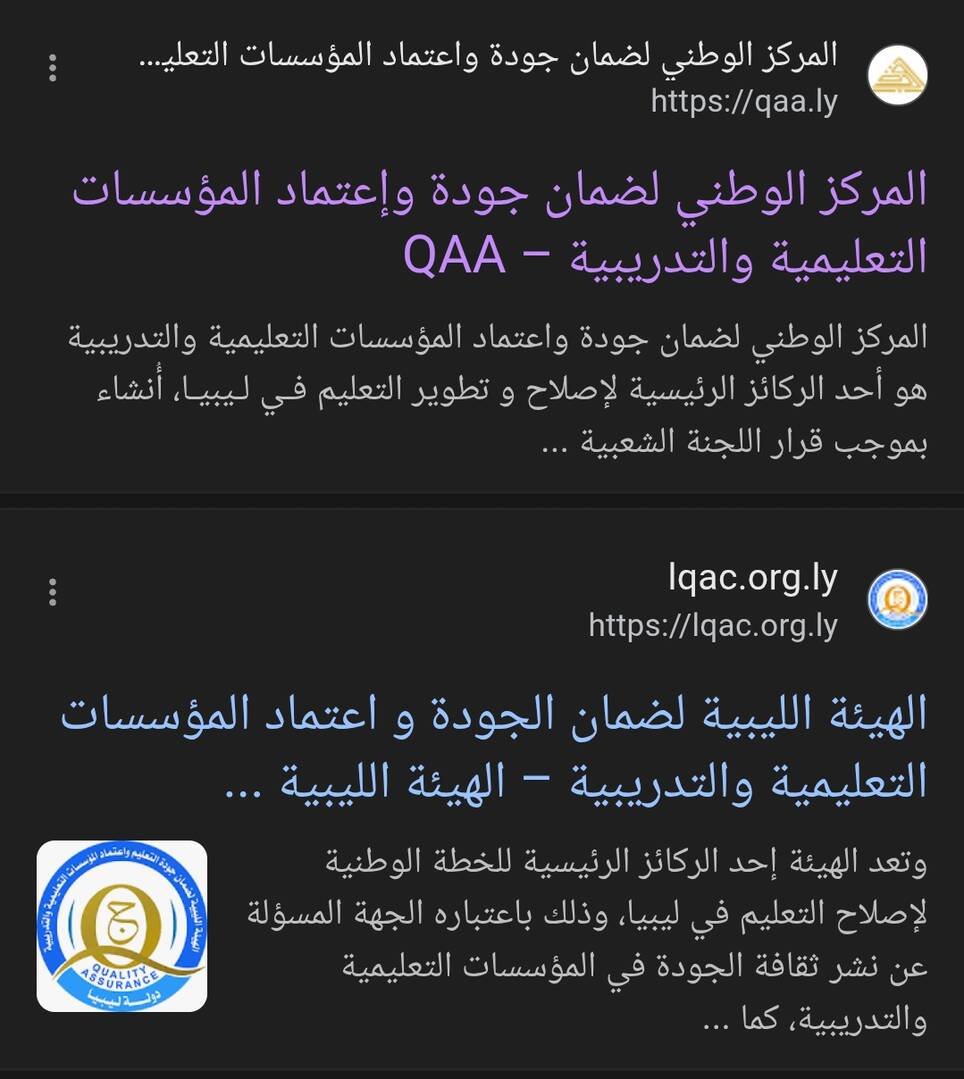
تتولى الهيئة الوطنية لضمان الجودة مسؤولية تقييم واعتماد المؤسسات التعليمية في شرق ليبيا. وتوفر الهيئة عبر بوابتها الإلكترونية جميع المعلومات التي يحتاجها الطالب للتحقق من المؤسسة التي يرغب في الدراسة بها.
يمكن زيارة الموقع الرسمي للهيئة عبر الرابط:
www.lqac.org.ly
تمنح الهيئة ثلاثة أنواع مختلفة من الاعتمادات للمؤسسات التعليمية والبرامج.
يجب على الطالب التأكد من حصول الجامعة التي يستهدفها على "اعتماد كلي" لضمان الاعتراف الكامل بشهادته مستقبلًا.
اعتماد الجامعات في غرب ليبيا
في غرب ليبيا، تقع مسؤولية متابعة جودة التعليم العالي على عاتق المركز الوطني لضمان جودة واعتماد المؤسسات التعليمية والتدريبية. ويقدم المركز دليلًا واضحًا ومحدثًا للجامعات المعترف بها، لتسهيل عملية البحث على الطلاب وأولياء الأمور.
يتيح المركز قاعدة بيانات الجامعات المعتمدة عبر موقعه الرسمي:
www.qaa.ly
يوفر الموقع قوائم واضحة لمعرفة حالة المؤسسة التعليمية والتأكد من استيفائها لمعايير الجودة.
يُنصح الطلاب بالبحث في الموقع للتأكد من أن الجامعة معتمدة اعتمادًا كليًا قبل البدء في إجراءات التسجيل أو دفع أي رسوم دراسية.
كلام دقيق جدًا، فالواقع الإداري الحالي في ليبيا يوزع مهام ضمان الجودة بين جهتين رئيسيتين وفقًا للتقسيمات الإدارية القائمة، ولا يوجد حاليًا "مجلس أعلى" موحد بالمعنى التقليدي كما في بعض الدول المجاورة.
إليك تفصيل الجهتين والروابط الرسمية لكل منهما:
1. المركز الوطني لضمان جودة واعتماد المؤسسات التعليمية
حكومة الوحدة الوطنية
الموقع: طرابلس.
الموقع الإلكتروني: www.qaa.ly
الدور: يتولى منح الاعتماد المؤسسي والبرامجي للجامعات والمعاهد، وتوثيق الشهادات وتدقيقها من خلال البوابات الإلكترونية المخصصة للطلبة والخريجين.
2. الهيئة الليبية لضمان جودة التعليم
الحكومة الليبية
الموقع: بنغازي.
الموقع الإلكتروني: www.lqac.org.ly
الدور: تتولى مهام التدقيق والاعتماد ومعادلة المؤهلات العلمية في المناطق التابعة لها.
ملاحظات هامة للطلاب
الجامعات المعتمدة: يمكنك التأكد من قائمة الجامعات المعتمدة، سواء العامة أو الخاصة، مباشرة عبر البوابة الإلكترونية للمركز الوطني:
qaa.ly
التوثيق: من الضروري التأكد من أن الجامعة حاصلة على الاعتماد المؤسسي أولًا، ثم الاعتماد البرامجي للتخصص الدراسي المعني، لضمان قبول الشهادة محليًا ودوليًا.
كيف تتم عملية الاعتماد؟
في ليبيا، تتبع عملية جودة التعليم العالي نظامًا تراتبيًا يبدأ من منح الإذن بمزاولة النشاط، وصولًا إلى جودة التخصصات الدقيقة. ولا يوجد مصطلح "الاعتماد الكلي" كمصطلح فني مستقل، بل يُشار به غالبًا إلى حصول المؤسسة على الاعتمادين المؤسسي والبرامجي معًا.
إليك توضيح الفروقات وفقًا لمعايير المركز الوطني لضمان جودة واعتماد المؤسسات التعليمية:
1. الترخيص الفني أو المبدئي
هو المرحلة الأولى والأساسية لأي مؤسسة تعليمية، خاصة قبل البدء في استقبال الطلاب.
الهدف: منح الإذن بمزاولة النشاط التعليمي بناءً على توفر الحد الأدنى من المتطلبات القانونية والإنشائية.
الحالة: المؤسسة التي تملك "ترخيصًا" فقط تُعتبر قانونية، لكنها لم تجتز بعد اختبارات الجودة والاعتماد.
2. الاعتماد المؤسسي
هو الشهادة التي تُمنح للمؤسسة التعليمية، سواء كانت جامعة أو كلية، ككيان كامل بعد استيفاء معايير الجودة الشاملة.
ماذا يفحص؟ يركز على الأطر الإدارية والتنظيمية، والبنية التحتية، والمرافق، والموارد البشرية، والقدرة المؤسسية العامة.
الأهمية: هو الخطوة الإجبارية التي تسبق التقدم للحصول على الاعتماد البرامجي.
3. الاعتماد البرامجي
هو تقييم متخصص ودقيق لكل برنامج تعليمي أو تخصص على حدة، مثل بكالوريوس الهندسة أو ليسانس القانون.
ماذا يفحص؟ يركز على المحتوى العلمي للمناهج، وطرق التدريس، ومخرجات التعلم المستهدفة، ومدى مواءمة التخصص لسوق العمل.
الأهمية: يضمن أن خريج هذا التخصص تحديدًا قد تلقى تعليمًا يطابق معايير الجودة التخصصية.
خلاصة الفرق بين أنواع الاعتماد
نصيحة: إذا كنت ترغب في الدراسة في جامعة، فتأكد أولًا أنها تملك الاعتماد المؤسسي، والاعتماد البرامجي، والاعتماد الكلي. والأفضل أن يكون القسم الذي اخترته حاصلًا على الاعتماد البرامجي، لضمان سهولة معادلة شهادتك دوليًا مستقبلًا.
هل تبحث عن حالة اعتماد تخصص معين في جامعة ليبية محددة؟
للتواصل
تواصل معنا، نحن وكيل لشركة لمساعدتك في الدراسة في ليبيا وتقديم الاستشارة لك.
تواصل عبر واتساب فقط:
هل يكفيني أن تكون الجامعة "معتمدة من الدولة" فقط، أم أن اعتماد ضمان الجودة ضروري فعلًا؟
**الجواب:**
الاعتماد من الدولة يُسمى في الأساس "إذن مزاولة النشاط"، وهذا يعني أن الجهة المالكة استوفت متطلبات قانونية وإدارية تسمح لها بفتح الجامعة وبدء الدراسة، لكن هذا وحده لا يضمن مستوى جودة التعليم أو قوة الشهادة.
أما اعتماد ضمان الجودة فهو الذي يقيم البرامج والمناهج وأعضاء هيئة التدريس والبنية التحتية، ويمكنه إيقاف الجامعة أو عدم تجديد اعتمادها إذا لم تلتزم بالمعايير، ولذلك فهو الضمان الحقيقي لقيمة مخرجات الجامعة وفرص قبول شهادتك مستقبلًا.
للاطلاع بشكل أعمق على الفروق بين الترخيص واعتماد الجودة، يمكنك مراجعة الشرح التفصيلي في هذا الرابط:
https://amc.ma1.io/forum/community/postid/111/
A Comprehensive Guide to Accredited Universities in Libya
Libya does not have a Supreme Council for Universities. Instead, two entities are responsible for quality assurance and academic accreditation, according to the existing administrative divisions. The first is the National Authority for Quality Assurance in eastern Libya, whose website can be visited at:
www.lqac.org.ly
The second is the National Center for Quality Assurance in western Libya, and its website lists accredited universities at:
www.qaa.ly
Therefore, if you wish to study in eastern Libya, you must verify whether the university is fully accredited. It is important to note that:
The National Authority for Quality Assurance website lists three types of accreditation. Therefore, you must ensure that the university has obtained all three: institutional accreditation, program accreditation, and full accreditation. If you are studying in western Libya, you should verify whether the university is fully accredited through the National Center for Quality Assurance website.
Many students mistakenly believe that a single entity, such as the "Supreme Council of Universities," oversees higher education in Libya. However, the academic system actually relies on specialized bodies to ensure the quality of education. These bodies are divided administratively and geographically, requiring students to carefully examine and verify the accreditation body before enrolling in any university to guarantee a sound academic and professional path.
University Accreditation in Eastern Libya
The National Authority for Quality Assurance is responsible for evaluating and accrediting educational institutions in eastern Libya. The Authority provides all the information students need to verify the accreditation of their chosen institution through its online portal.
The Authority's official website can be accessed at:
www.lqac.org.ly
The Authority grants three different types of accreditation to educational institutions and programs.
Students should ensure that their chosen university has "full accreditation" to guarantee the full recognition of their degree in the future.
University Accreditation in Western Libya
In western Libya, the responsibility for monitoring the quality of higher education lies with the National Center for Quality Assurance and Accreditation of Educational and Training Institutions. The Center provides a clear and up-to-date directory of recognized universities to facilitate the search process for students and their parents. The center provides a database of accredited universities through its official website:
www.qaa.ly
The website offers clear lists to determine the status of educational institutions and ensure their compliance with quality standards.
Students are advised to check the website to confirm that a university is fully accredited before beginning the registration process or paying any tuition fees.

Clarification of the two responsible entities
This is very accurate. The current administrative reality in Libya distributes quality assurance responsibilities between two main entities according to the existing administrative divisions. There is currently no unified "Supreme Council" in the traditional sense, as there is in some neighboring countries.
Here is a breakdown of the two entities and their official links:
1. National Center for Quality Assurance and Accreditation of Educational Institutions
Government of National Unity
Location: Tripoli
Website: www.qaa.ly
Role: Grants institutional and program accreditation to universities and institutes, and verifies and verifies certificates through dedicated electronic portals for students and graduates.
2. Libyan Authority for Quality Assurance of Education
Libyan Government
Location: Benghazi
Website: www.lqac.org.ly
Role: Responsible for auditing, accreditation, and equivalency of academic qualifications in its affiliated regions.
Important Notes for Students
Accredited Universities: You can verify the list of accredited universities, both public and private, directly through the National Center's website:
qaa.ly
Accreditation: It is essential to ensure that the university first obtains institutional accreditation, followed by program accreditation for the relevant specialization, to guarantee the acceptance of the degree both locally and internationally.
How Does the Accreditation Process Work?
In Libya, the quality assurance process for higher education follows a hierarchical system that begins with granting permission to operate and extends to the quality of specific specializations. The term "full accreditation" does not exist as a separate technical term; rather, it often refers to an institution obtaining both institutional and program accreditation.
Here is an explanation of the differences according to the standards of the National Center for Quality Assurance and Accreditation of Educational Institutions:
1. Technical or Initial Licensing
This is the first and essential stage for any educational institution, especially before it begins accepting students.
Objective: To grant permission to conduct educational activities based on the availability of the minimum legal and structural requirements.
Status: An institution that only possesses a "license" is considered legal, but has not yet passed quality and accreditation tests.
2. Institutional Accreditation
This is the certification awarded to an educational institution, whether a university or college, as a complete entity after meeting comprehensive quality standards.
What does it examine? It focuses on administrative and organizational frameworks, infrastructure, facilities, human resources, and overall institutional capacity.
Importance: It is the mandatory step preceding application for program accreditation.
3. Program Accreditation
This is a specialized and rigorous evaluation of each educational program or specialization individually, such as a Bachelor of Engineering or a Bachelor of Laws.
What does it examine? It focuses on the academic content of the curriculum, teaching methods, intended learning outcomes, and the extent to which the specialization aligns with the job market.
Importance: It ensures that graduates of this specific specialization have received an education that meets the specialization's quality standards.
Summary of the Differences Between Types of Accreditation
Tip: If you wish toImportance: This ensures that graduates of this specific specialization have received an education that meets the required quality standards.
Summary of the Differences Between Types of Accreditation
Tip: If you wish to study at a university, first ensure that it has institutional, program, and overall accreditation. Ideally, your chosen department should have program accreditation to facilitate the international recognition of your degree in the future.
Are you looking for the accreditation status of a specific specialization at a particular Libyan university?
Contact Us
We are an agent for a company that can assist you with studying in Libya and provide you with consultation.
Contact us via WhatsApp only:
00218934802302
Questions and Answer
Is it enough for a university to be "state-accredited" only, or is quality assurance accreditation truly necessary?
**Answer:** State accreditation is essentially a "license to operate," meaning the institution has met the legal and administrative requirements to open the university and begin classes. However, this alone does not guarantee the quality of education or the strength of the degree.
Quality assurance accreditation, on the other hand, evaluates programs, curricula, faculty, and infrastructure. It can suspend or not renew a university's accreditation if it fails to meet standards. Therefore, it is the true guarantee of the value of the university's graduates and the likelihood of your degree being accepted in the future.
For a more in-depth understanding of the differences between licensing and quality assurance accreditation, you can review the detailed explanation at this link:
https://amc.ma1.io/forum/community/postid/111/
